

Gastropods
CLASS GASTROPODA
SPECIES OF Gastropods
CLICK ON A CATEGORY BELOW TO FIND OUT MORE!
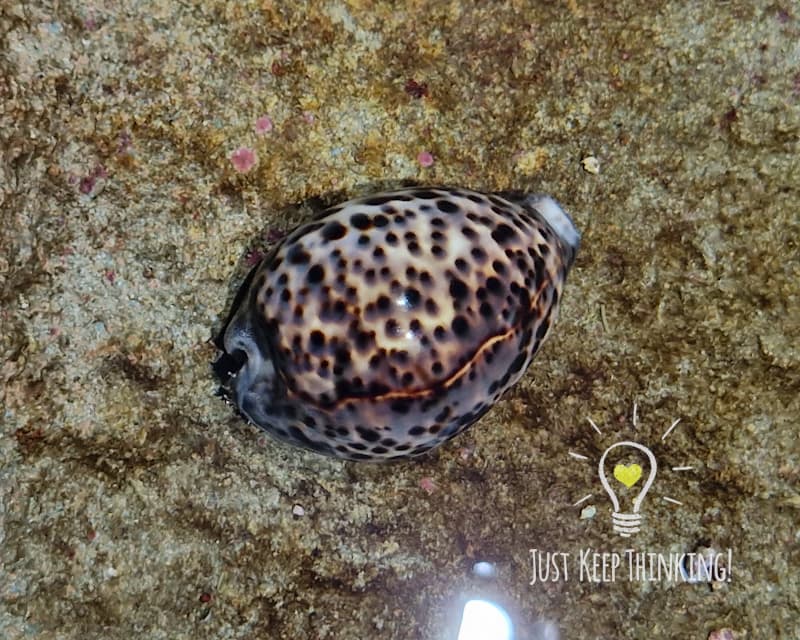
ANATOMY OF Gastropods
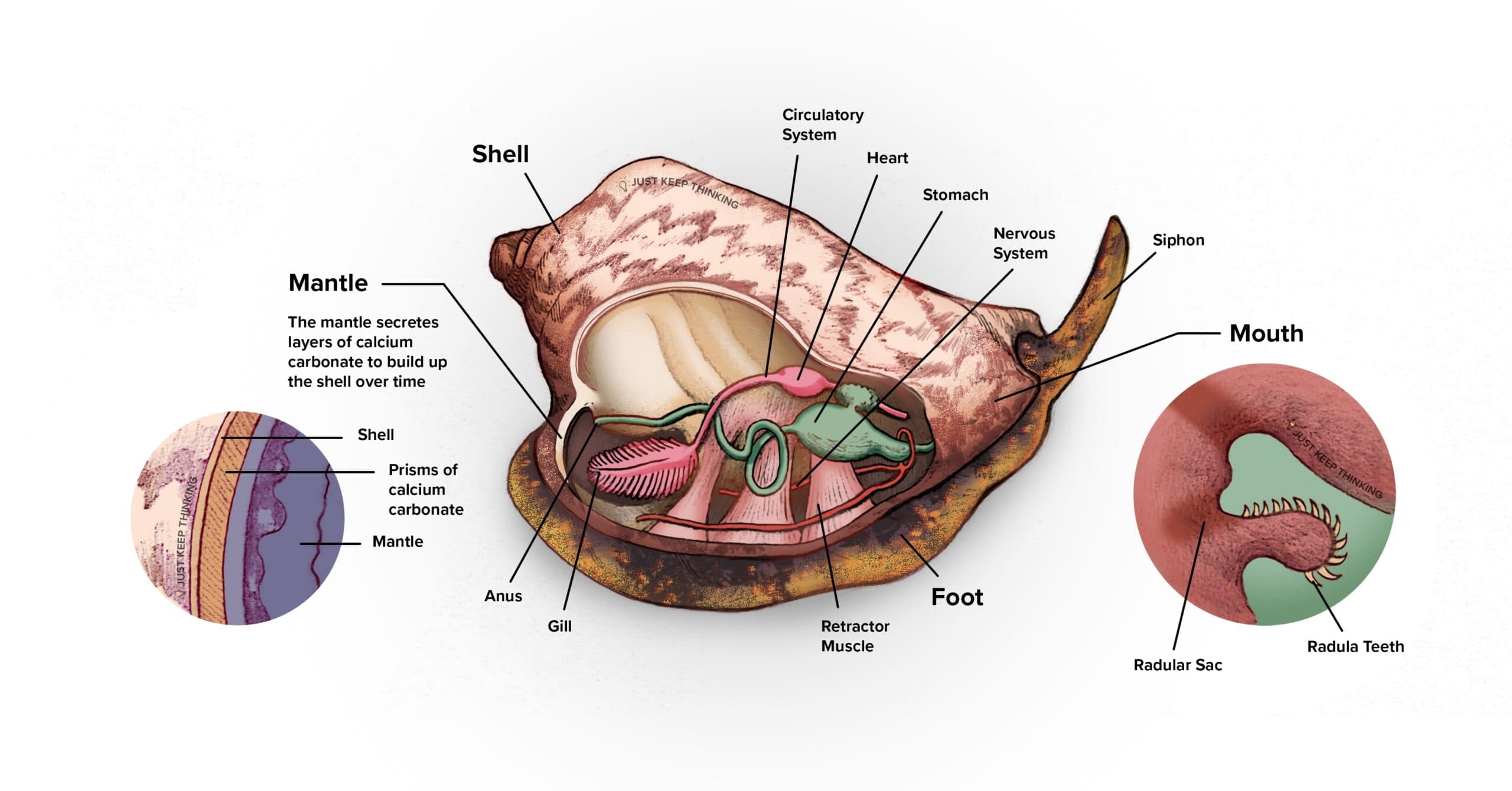
OVERVIEW
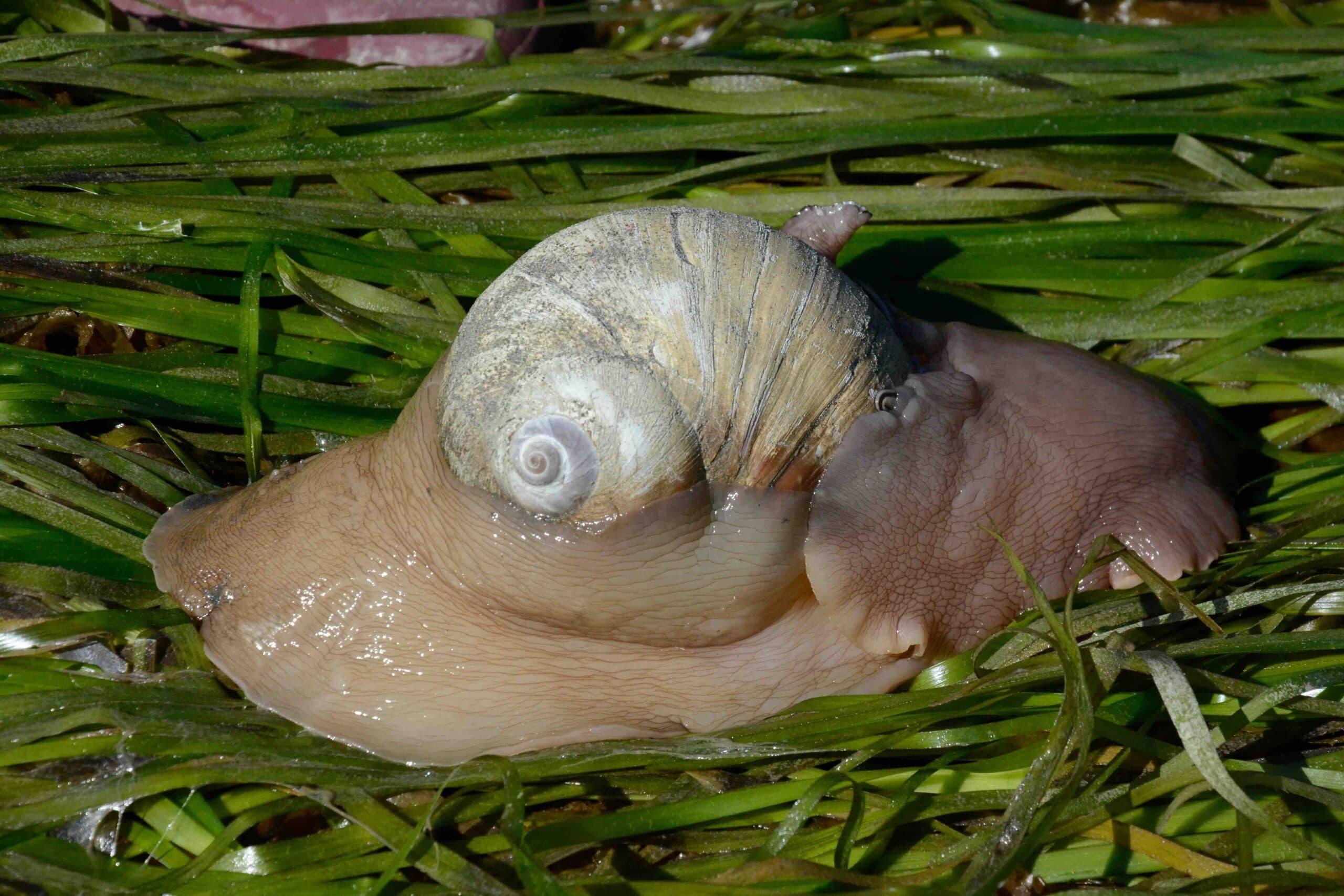
Gastropods consist of snails and slugs. They are the largest group of molluscs! The scientific name for their class, Gastropoda, means “stomach-foot” in Greek!
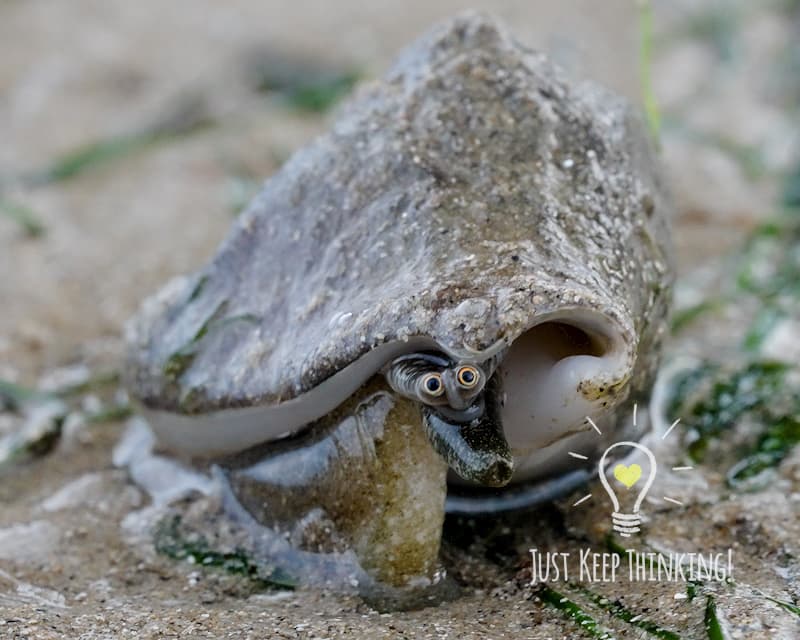
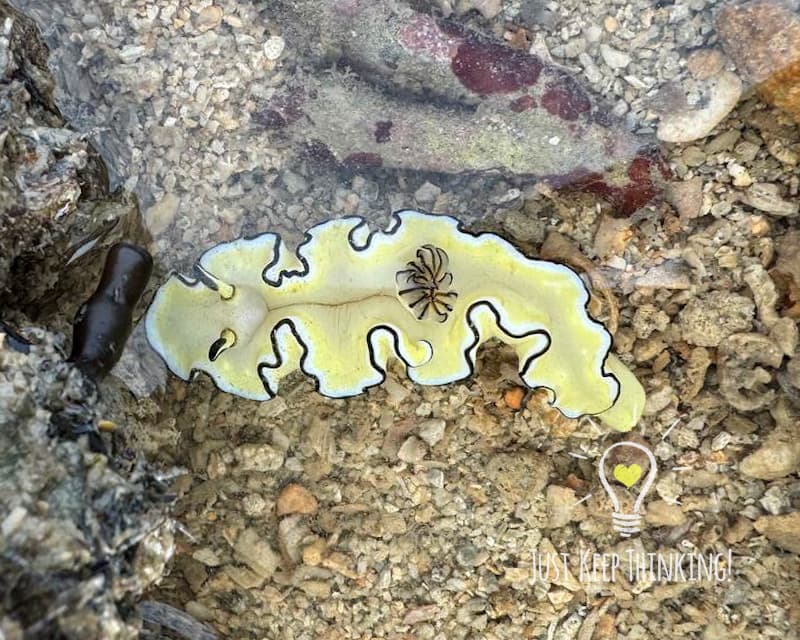
SNAILS VS SLUGS
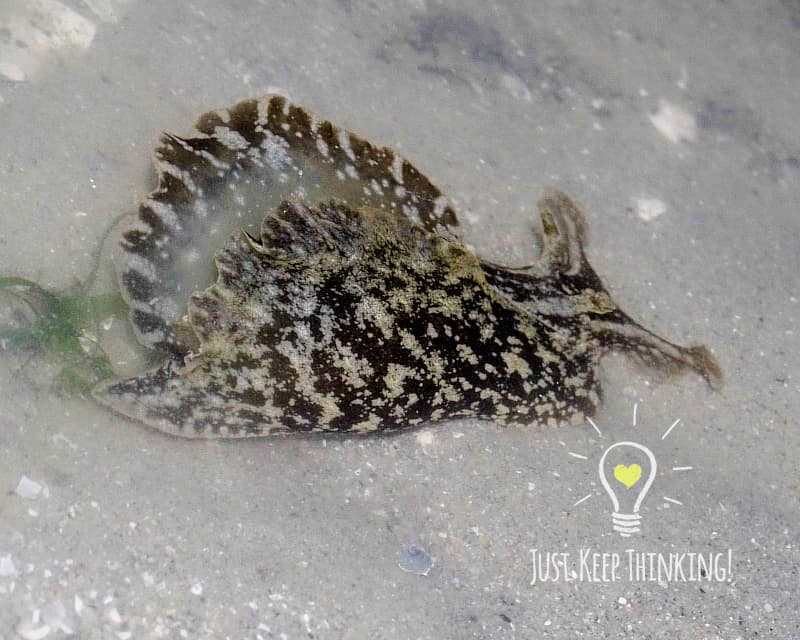
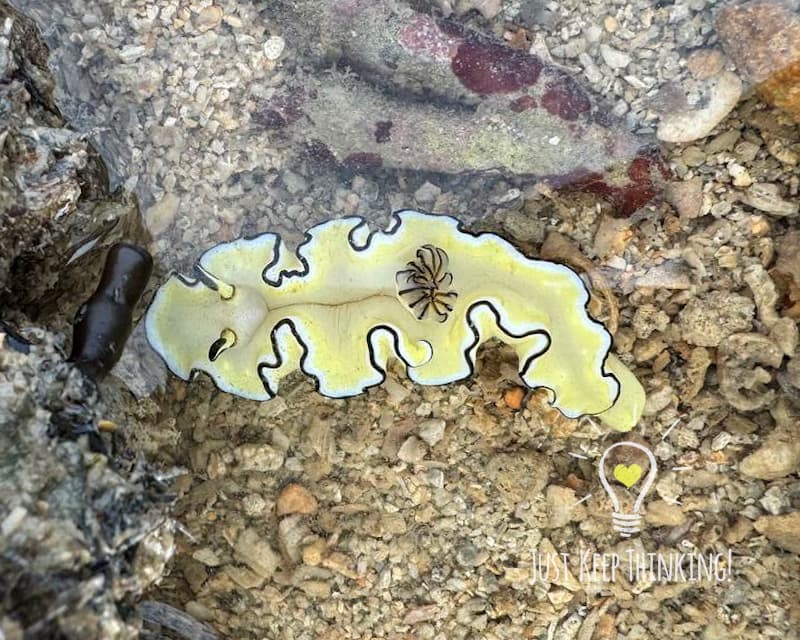
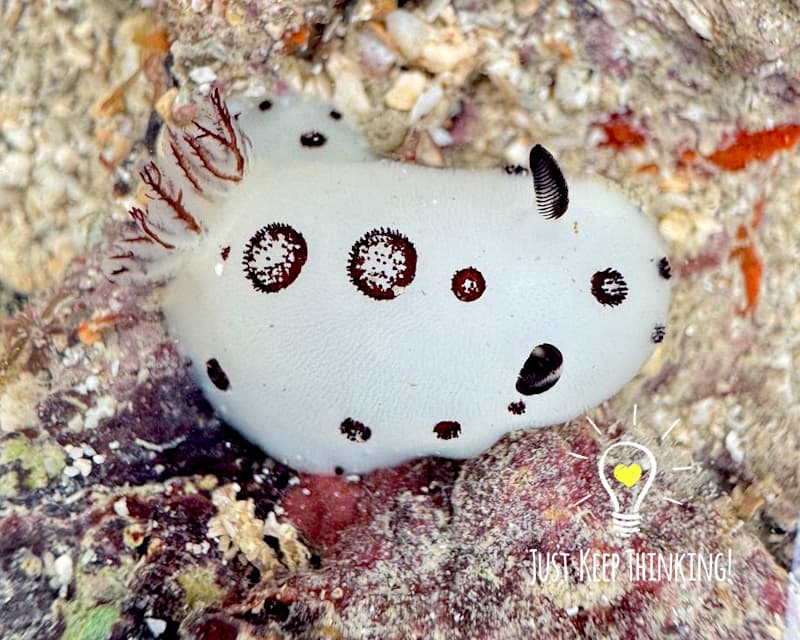
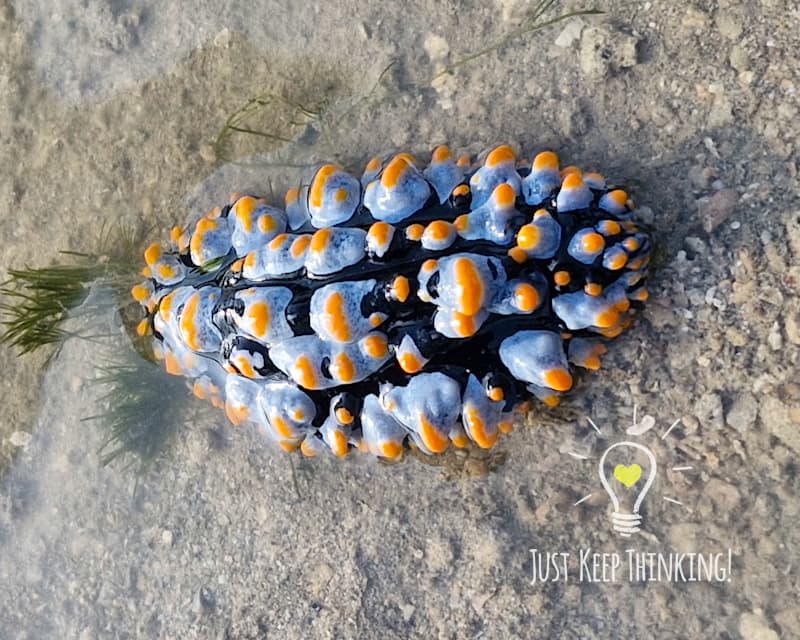
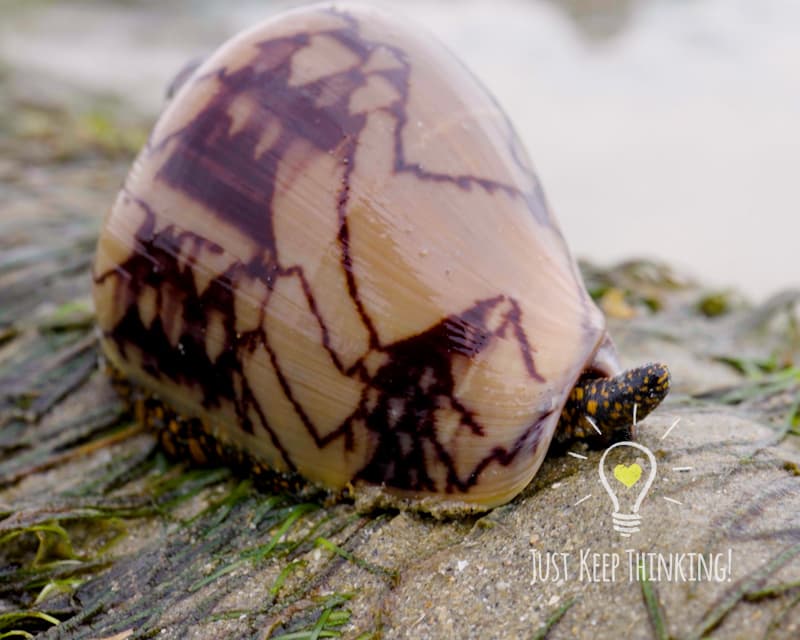
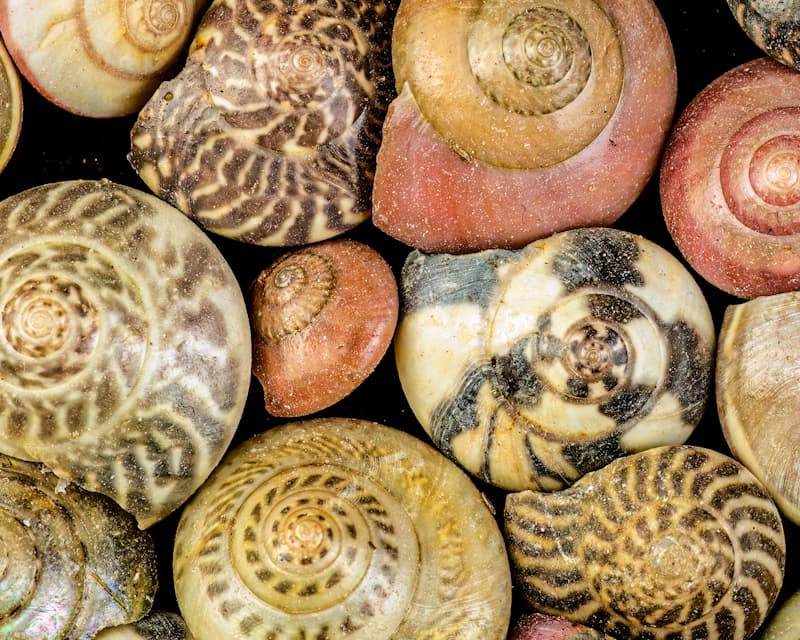
Snails have shells, which are protective homes designed to keep their soft body safe from predators and other threats. On the other hand, slugs either have a very small shell or have lost their shell completely! Despite being shell-less, slugs are not defenceless! Many of them have toxins to deter predators from attacking them.
CONVEYOR BELT OF TEETH!
Most gastropods and other molluscs have a radula, which is a rough, ribbon-like “tongue” lined with rows and rows of tiny but sharp teeth! Like a conveyor belt, gastropods use their radula to scrape food particles and bring them into their mouth, similar to how you stick your tongue out to lick ice cream!
HERBIVORES OR CARNIVORES?
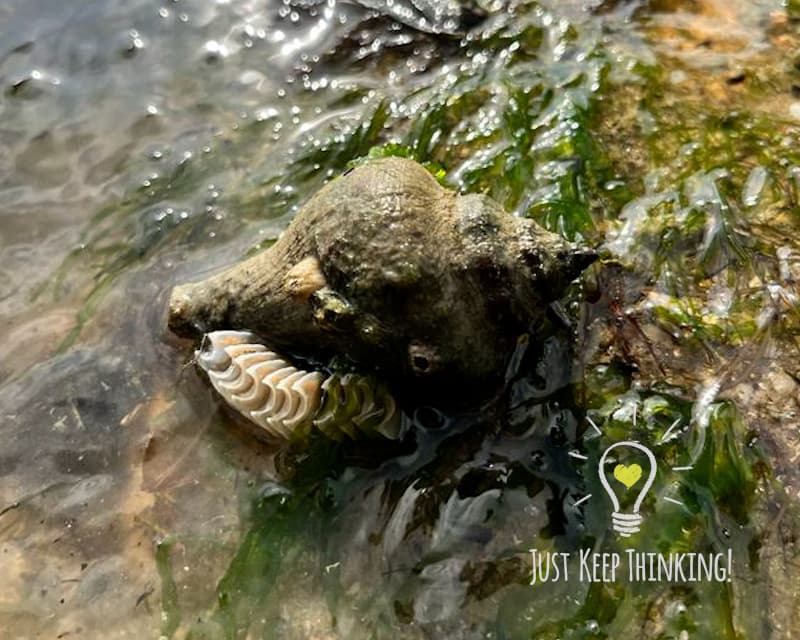
Like how herbivores such as cows and sheep graze on grass, some gastropods are grazers too! These peaceful snails and slugs feed on seaweeds and algae growing in the intertidal zone. On the other hand, other gastropods are ferocious predators, hunting other molluscs such as clams and even preying on their fellow snails and slugs!