

Bivalves
CLASS BIVALVIA
SPECIES OF Bivalves
CLICK ON A CATEGORY BELOW TO FIND OUT MORE!
ANATOMY OF Bivalves
OVERVIEW
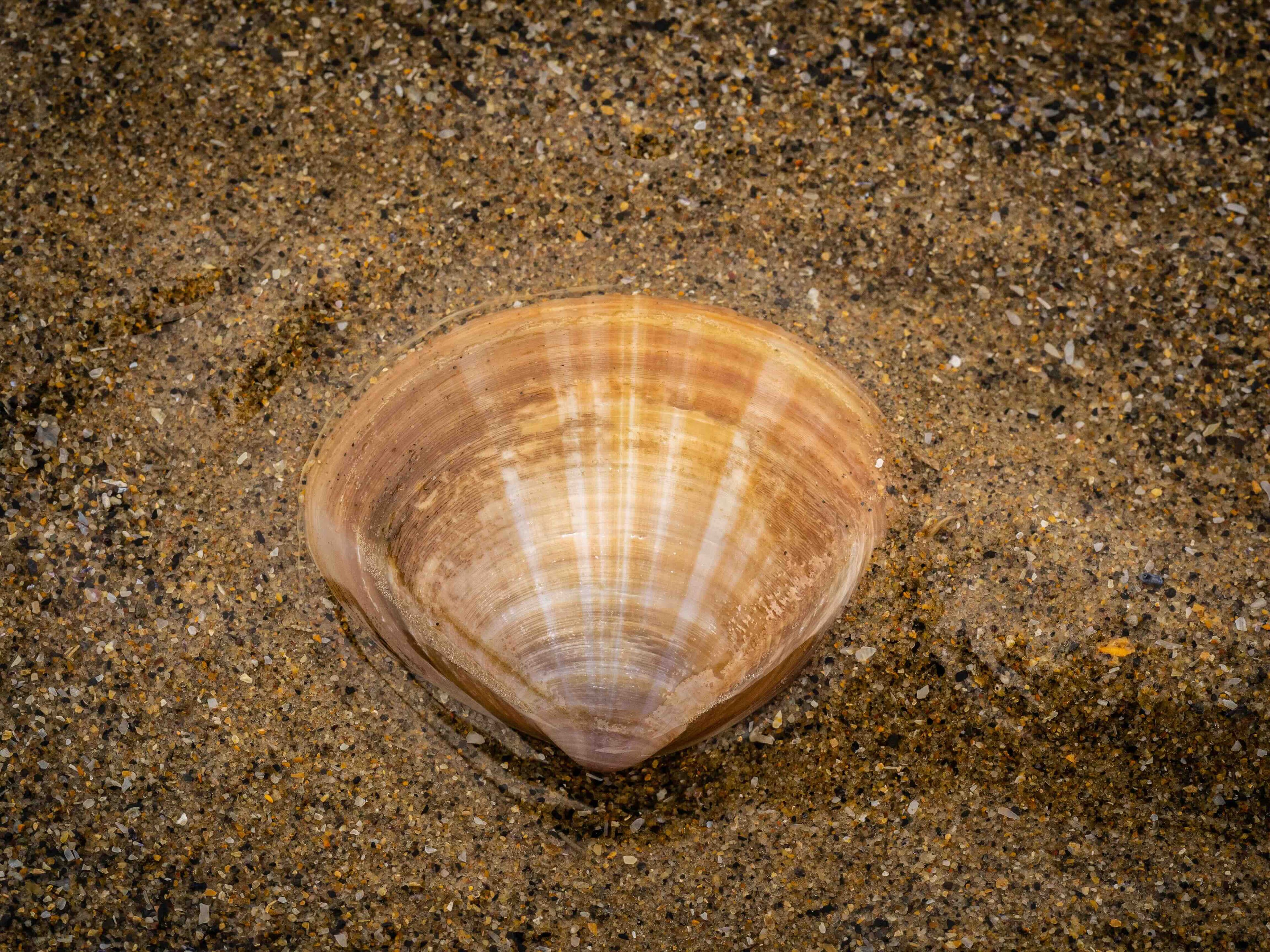
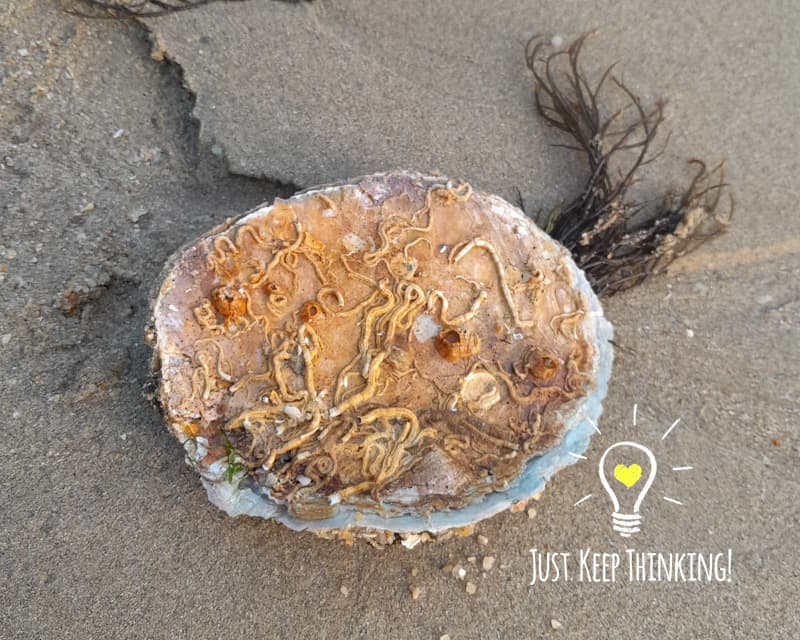
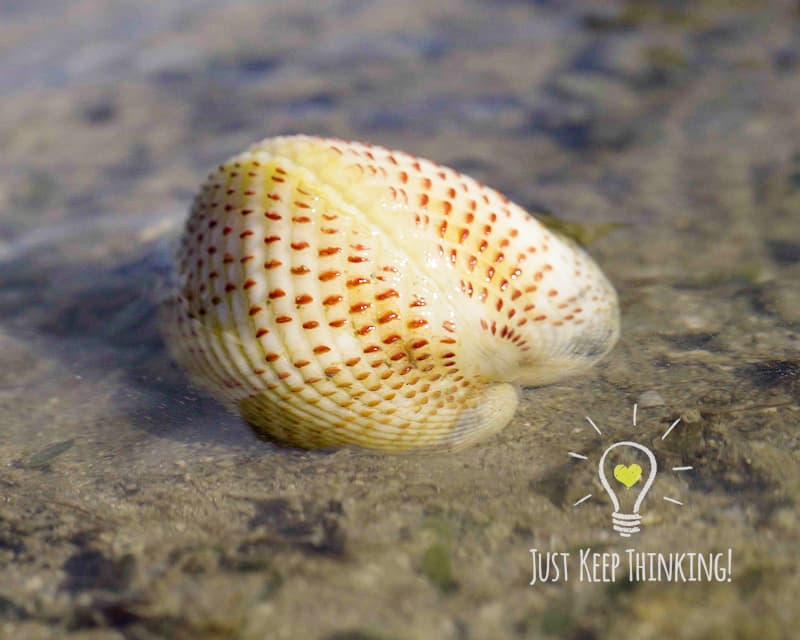
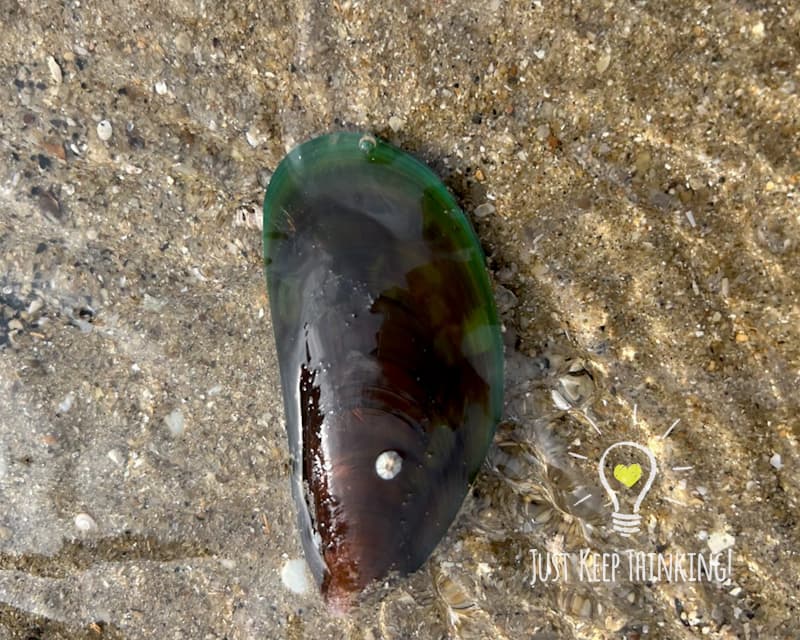
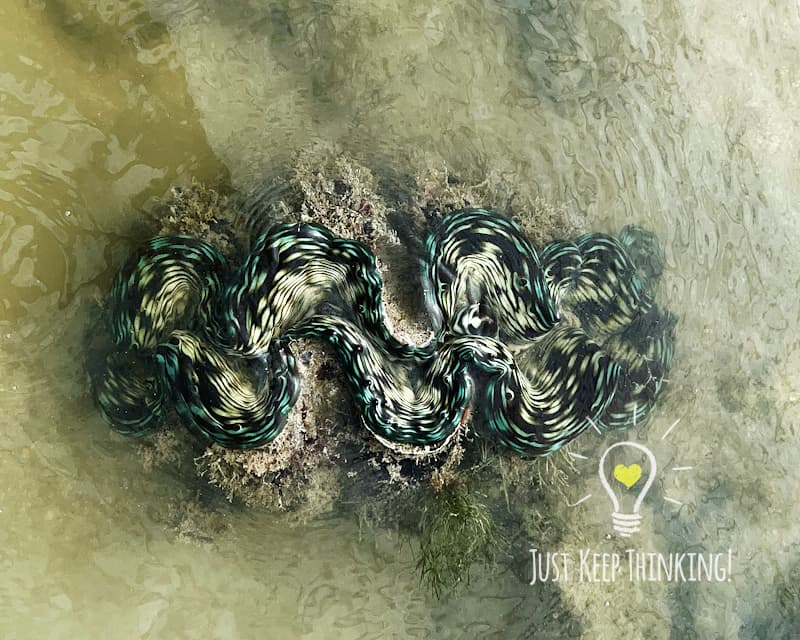
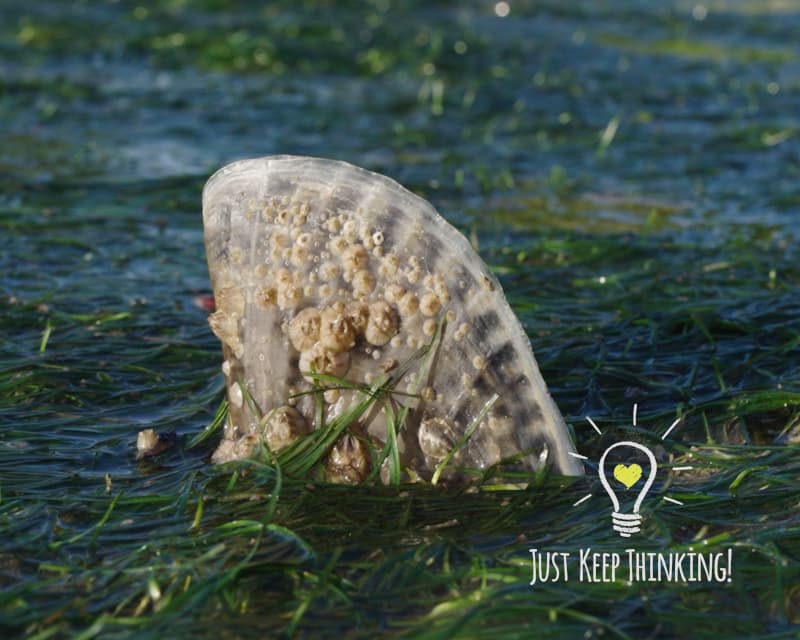
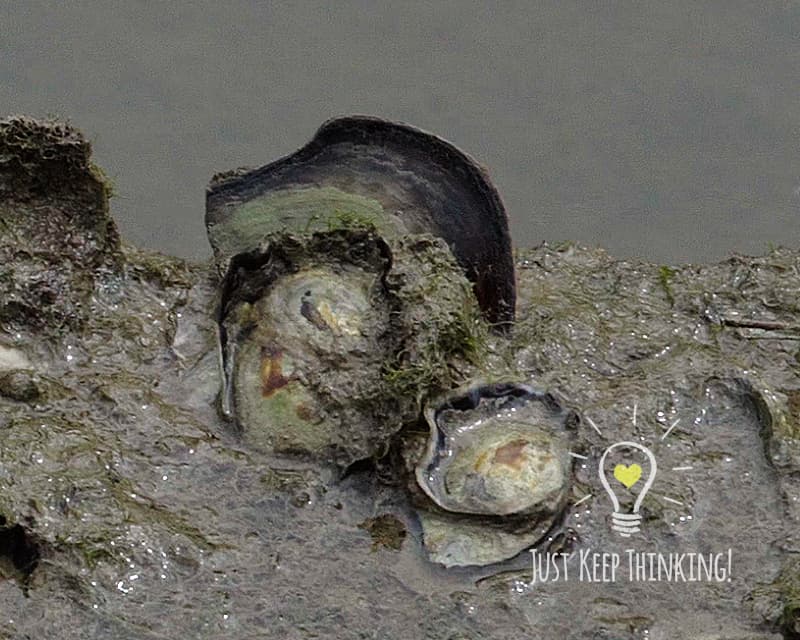
Bivalves include animals such as clams, scallops and mussels. These molluscs all have shells which are split evenly into two symmetrical halves. That’s why they all belong to the class Bivalvia, which means “two half-shells” in Latin!
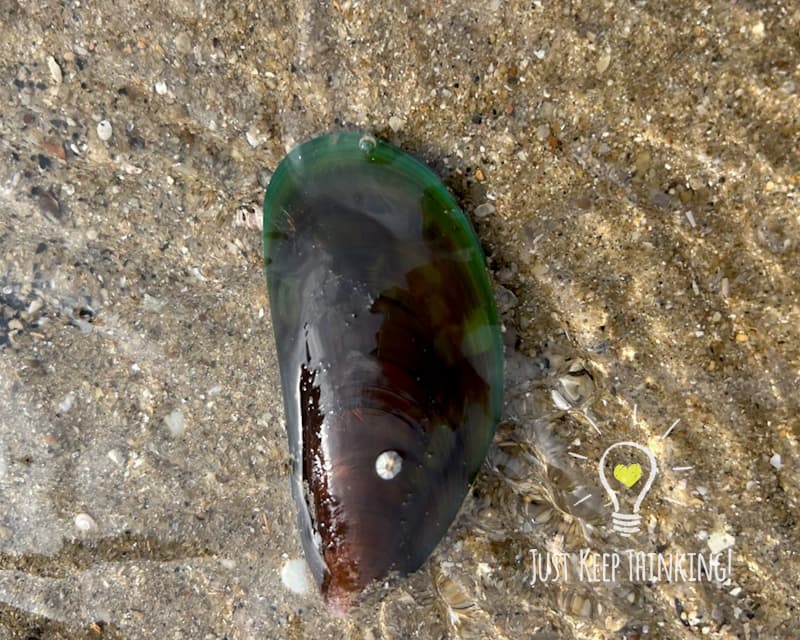
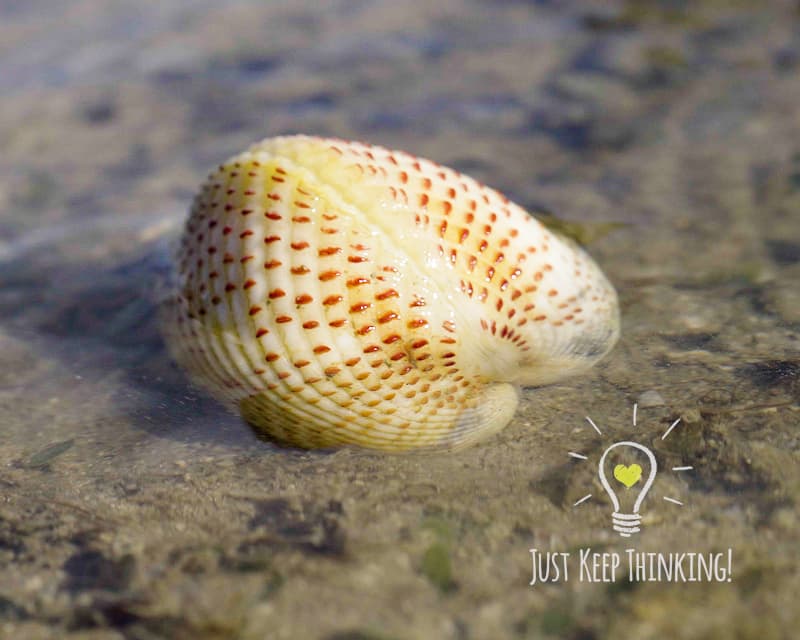
YOU ARE MY OTHER HALF (SHELL)!
Bivalve shells are split into two symmetrical halves. These halves, also known as valves, are connected to each other by a hinge, just like a ring box! When a bivalve is under attack, it closes its shell tightly by contracting its strong adductor muscles. Once the threat has passed, the bivalve relaxes these muscles, and its shell springs back open!
WATER IN, WATER OUT!
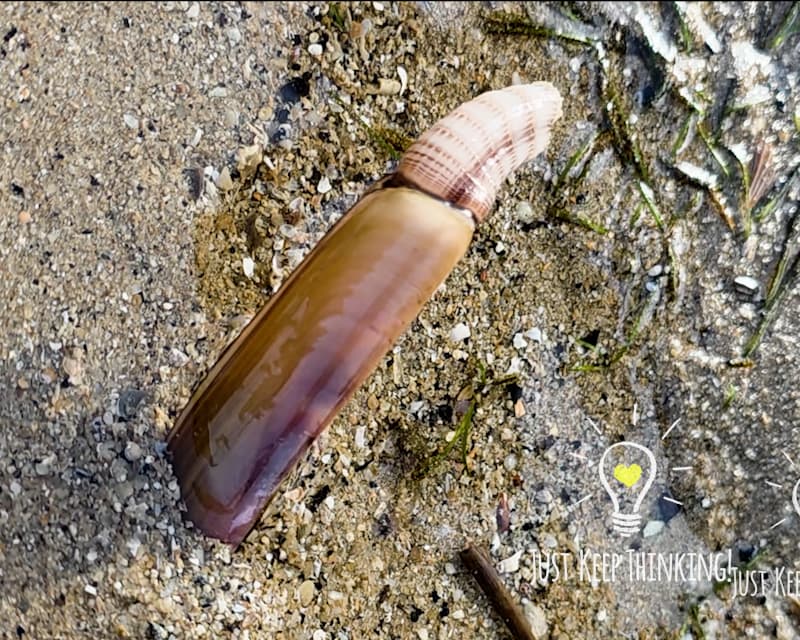
Most bivalves are filter feeders! To feed, bivalves draw seawater into their body by opening their shell slightly, or by sucking in seawater through long tubes called siphons. Then, they sieve out and eat the plankton and tiny food particles floating in the water, while the remaining seawater leaves their body!
BYSSUS OR BURROW!
To prevent themselves from being washed away by the tides, some bivalves use sticky protein strings known as byssus threads to anchor themselves tightly onto rocks and other hard surfaces. Meanwhile, other bivalves bury themselves underground by burrowing into the sea floor. This protects them from the pounding waves and prevents them from overheating or drying out during low tide!