

Cnidarians
PHYLUM CNIDARIA
TYPES OF Cnidarians
CLICK ON A CATEGORY BELOW TO FIND OUT MORE!
ANATOMY OF Cnidarians
OVERVIEW
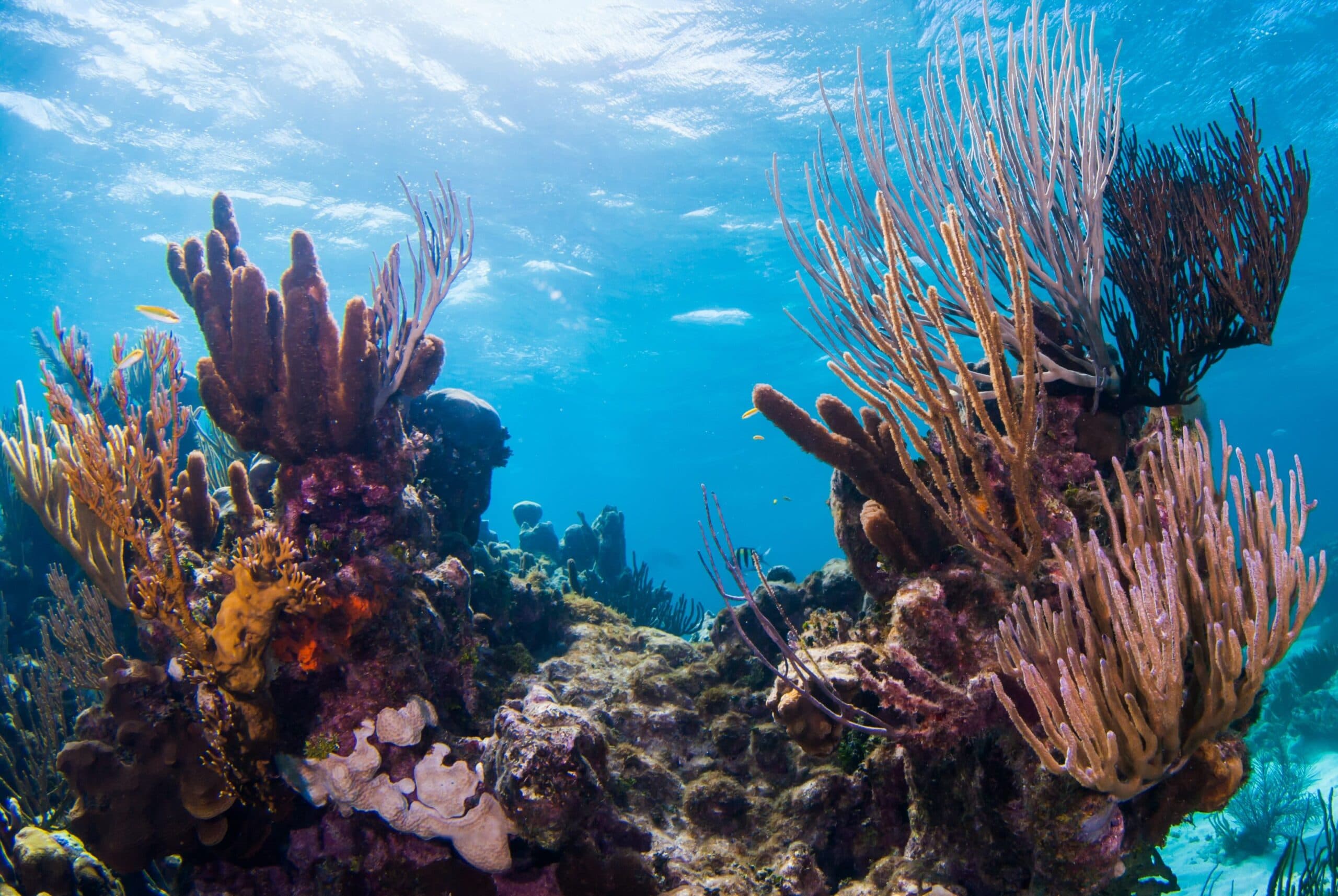
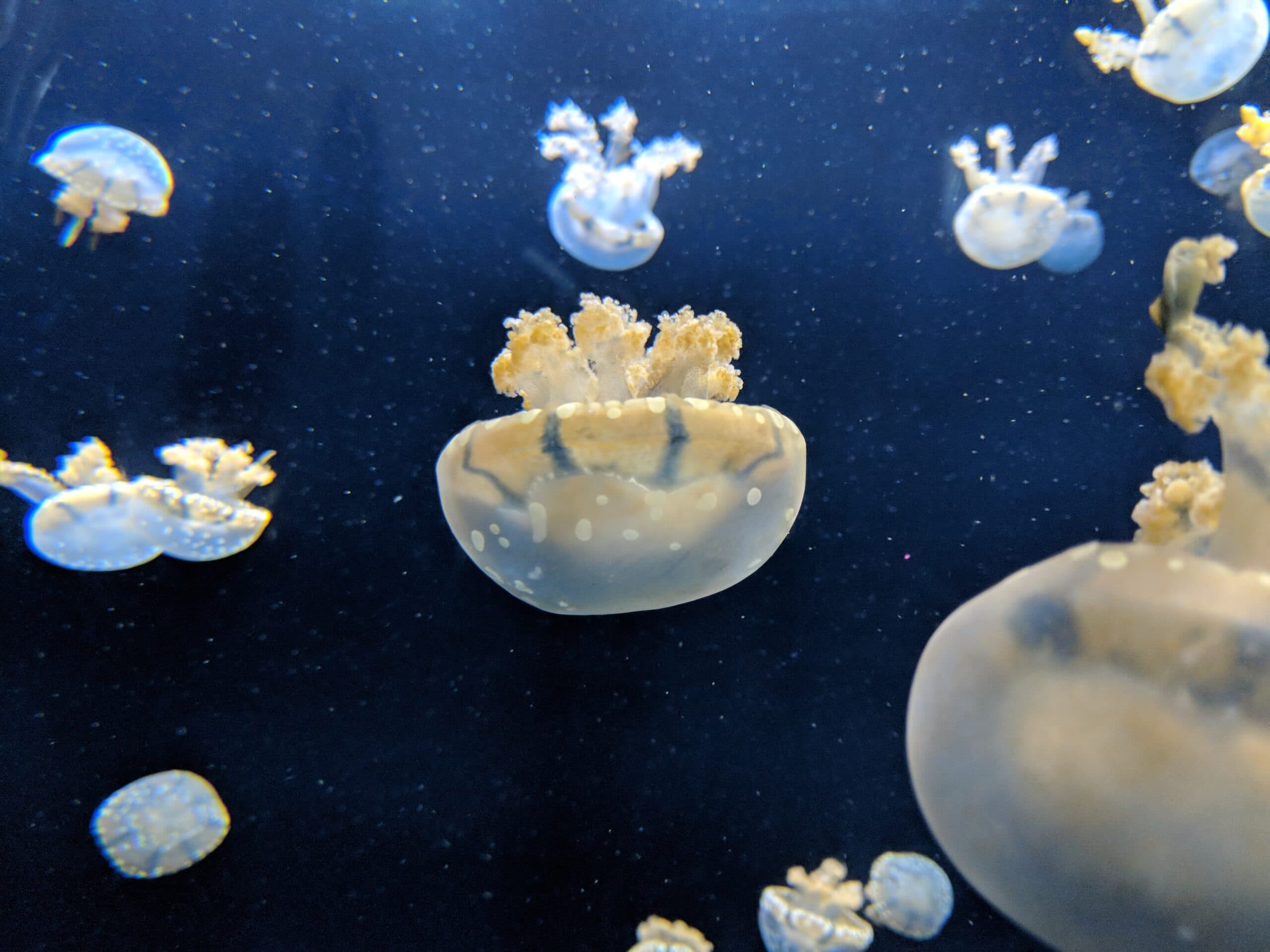
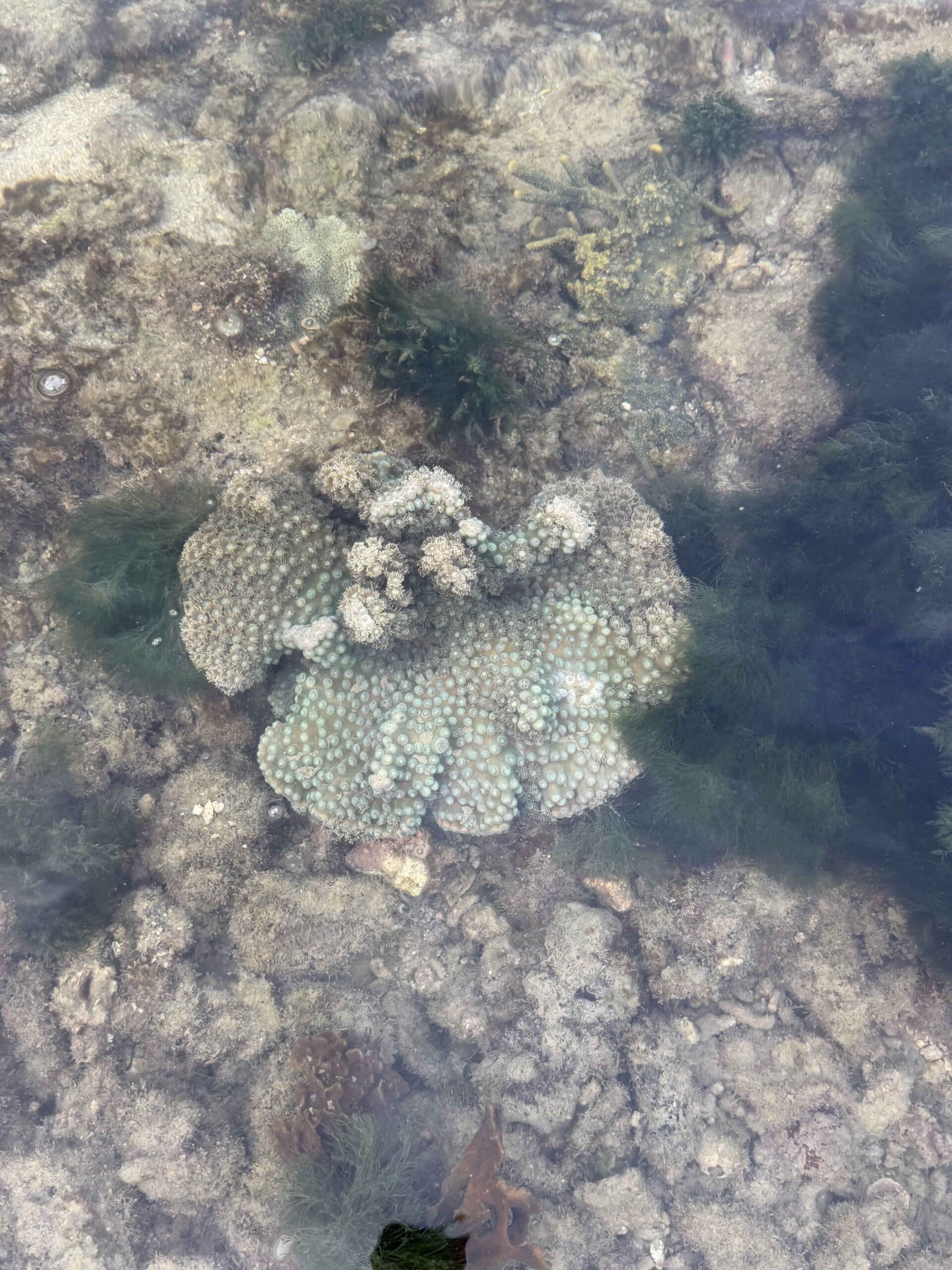
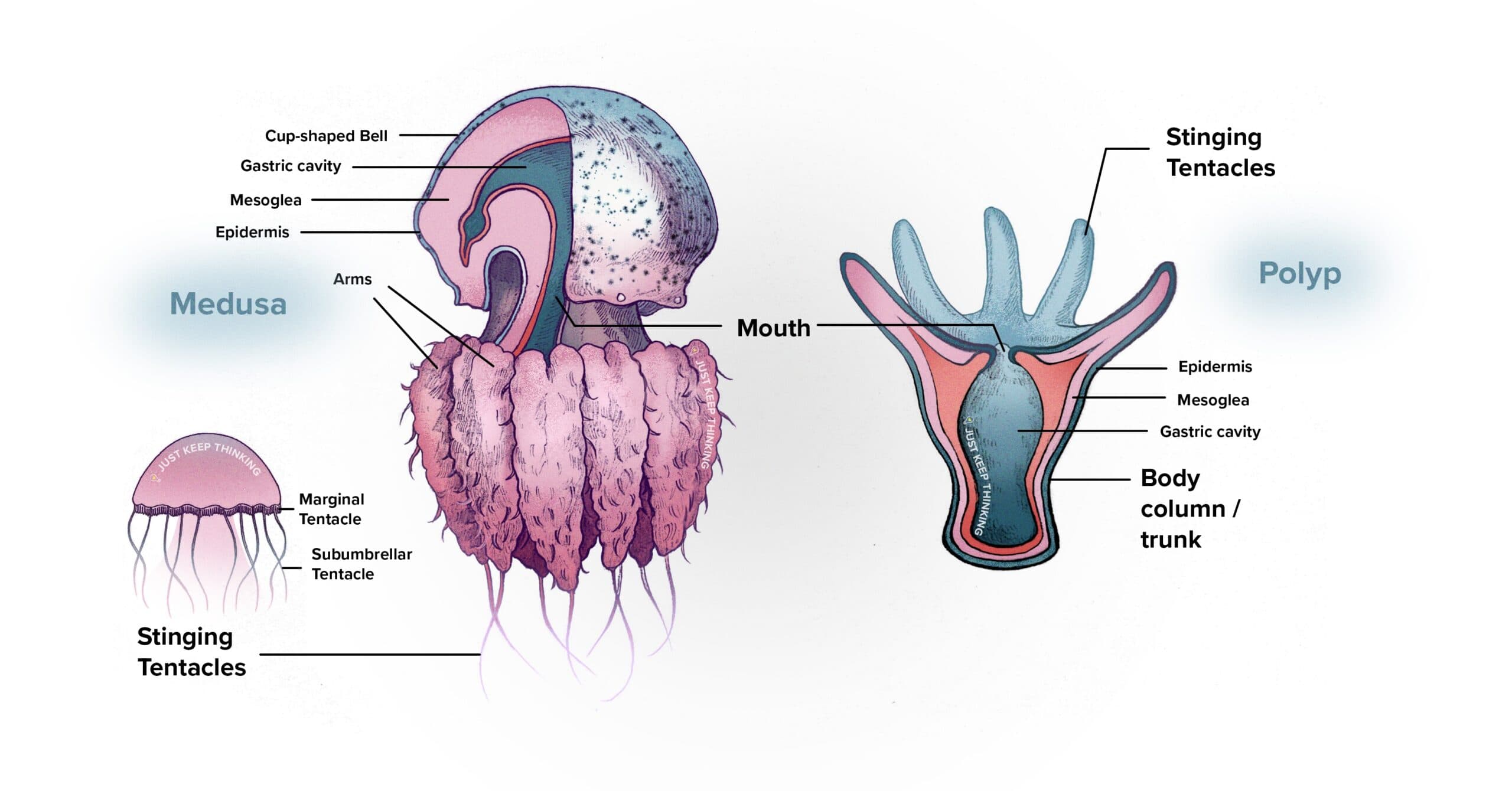
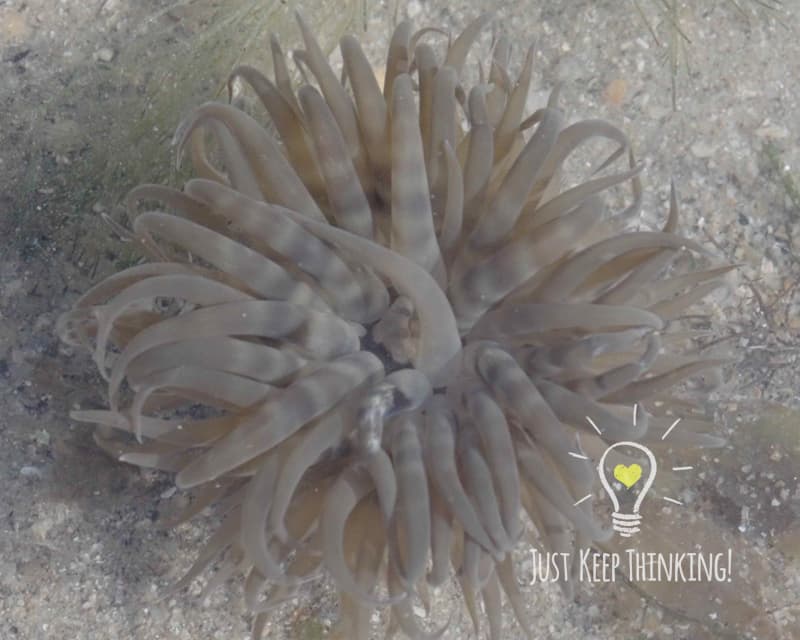
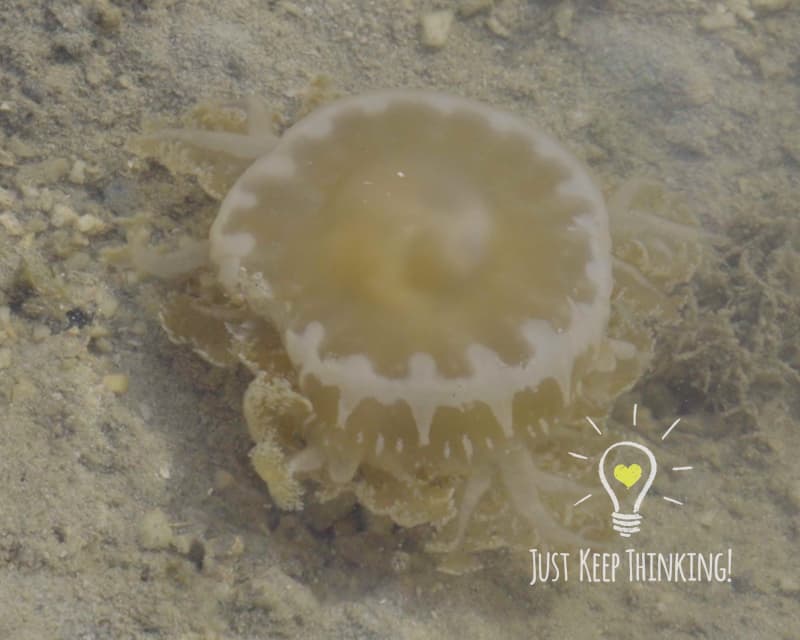
What do sea anemones, corals and sea jellies have in common? They all have stinging tentacles! That’s why they all belong to the same group of organisms known as cnidarians, derived from their phylum name Cnidaria, which means “stinging nettle” in Greek!
A secret but deadly weapon!
Cnidarians have stinging cells which house a long, barbed harpoon known as a nematocyst. When their prey accidentally brush against their tentacles, it triggers their needle-sharp nematocysts to fire instantly, piercing skin and injecting painful venom into their prey! Now rendered helpless, the cnidarian can then use its arms or tentacles to bring its unfortunate victim into its mouth.
The fearsome bag!
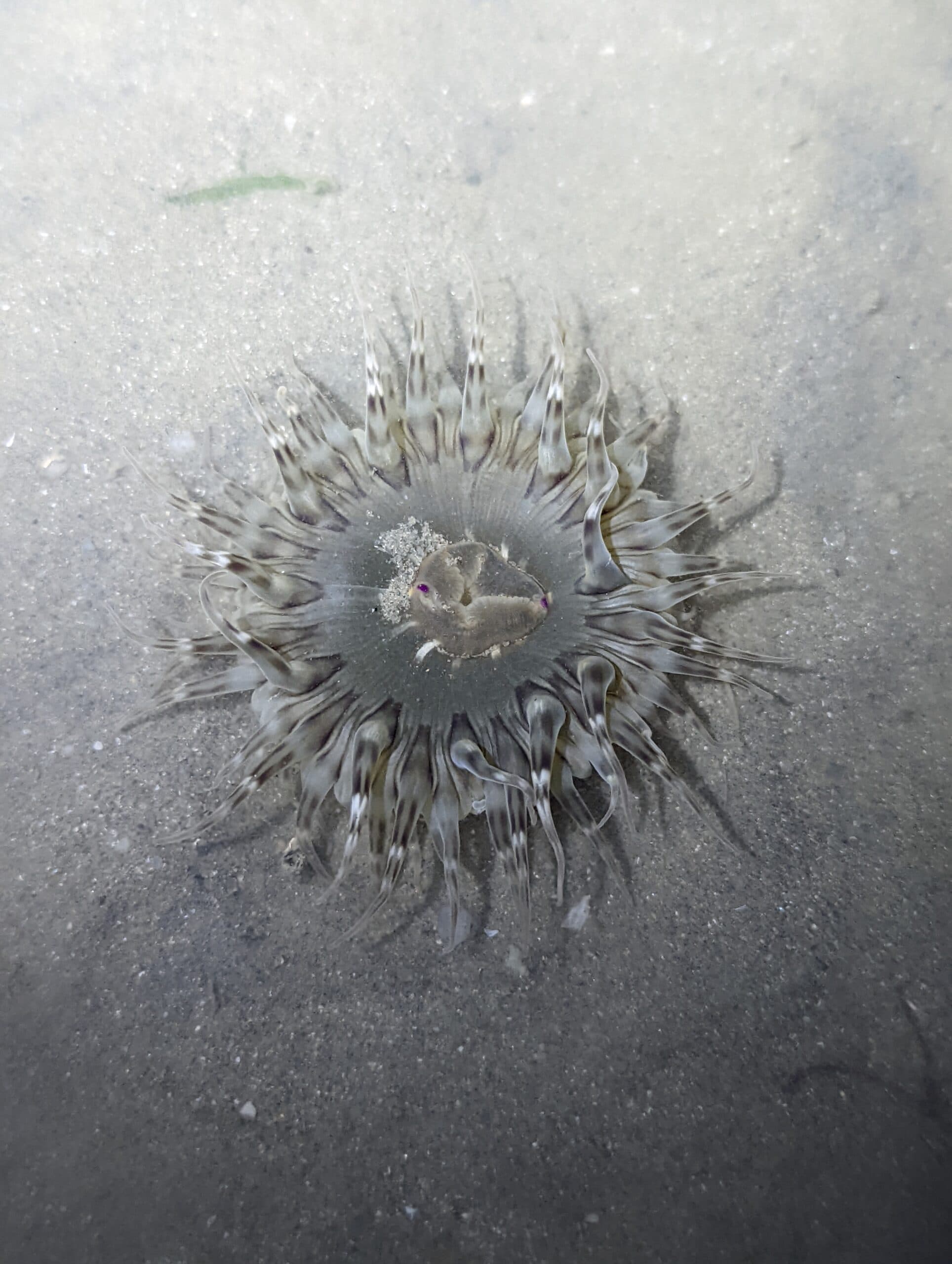
Cnidarians are very simple animals! They are basically just a round bag (stomach) with an opening (mouth), which is surrounded by a ring of dangerous, stinging tentacles.
Please don’t touch cnidarians!
Some cnidarians species can cause excruciating pain when touched. Cnidarians can sting even when they are dead. Some of them can even kill unsuspecting humans! So please don’t touch cnidarians if you see one on the shore!